Key Highlights
- Google’s December 2025 core update wrapped up on December 29, and it reshuffled search rankings more aggressively than most businesses expected. Here’s what actually matters if you’re making decisions about SEO spend right now:
- The rollout put even more weight on helpful content, rewarding pages that earn their rankings through relevance and a strong user experience.
- SEO professionals across the board tracked significant ranking changes and visibility swings. If you’re not watching your Search Console data closely, you’re flying blind.
- Technical signals and Core Web Vitals carried more influence this time around. A weak technical foundation will cost you rankings now, not eventually.
- The update continued Google’s push against spam and thin content. Quantity without substance is a losing strategy.
- Understanding these fluctuations isn’t optional. It’s how you protect organic traffic and make smarter calls about where your budget goes.
Understanding the December 2025 Core Update for Ambitious Businesses
Every few months, Google recalibrates how its search engine evaluates and ranks content. The December 2025 core update was one of those recalibrations — and it was a big one. It started rolling out on December 11 and finished 18 days later, on December 29. The rollout was global, and the core update volatility was noticeable almost immediately.
This wasn’t a spam update or a narrow helpful content update. This was a broad core update — meaning Google reassessed how it ranks content and weighs site authority across the board. The intent behind it was straightforward: surface more valuable content, push down pages that don’t deliver a good user experience, and better match search results to what people are actually looking for when they type something into Google Search.
If you run a business — especially one competing in markets like Bucks County or Montgomery County where local visibility matters — these significant changes aren’t background noise. The core update rollout was publicly documented on the Google Search Status Dashboard and confirmed by Google Search Central, so there’s no ambiguity about when it happened or what it touched. What it means for your keyword rankings and organic traffic, though, depends entirely on where your site stood before the update landed.
The signal Google keeps sending is consistent: put quality first, build for people, and stop treating SEO like a set of tricks. Ignore a core update like this and your site drifts backward. Respond to it with the right priorities, and you pull ahead while competitors scramble.
Main Changes Introduced in the December 2025 Algorithm Update
The December 2025 broad core update adjusted Google’s core algorithm in ways that showed up fast. Search rankings shifted, visibility changed, and the ripple effects hit businesses across industries. The core algorithm update recalibrated how the search engine weighs content quality, authorship signals, and user experience factors. Ranking volatility analysis from the SEO community confirmed what most site owners could already see — some sites gained ground, others lost it, and the movement wasn’t subtle.
What this tells us is that Google is doubling down on rewarding sites that follow best practices and deliver real, trustworthy, helpful content. The update reshaped Google Search results in real time. Some businesses saw meaningful jumps in visibility for their target keywords. Others saw drops they weren’t expecting. If you’re operating in a competitive local market like Horsham, now is the time to take a hard look at your SEO efforts and make sure your approach lines up with what Google actually rewards after this latest algorithm update.
Increased Importance of Core Web Vitals and Technical Signals
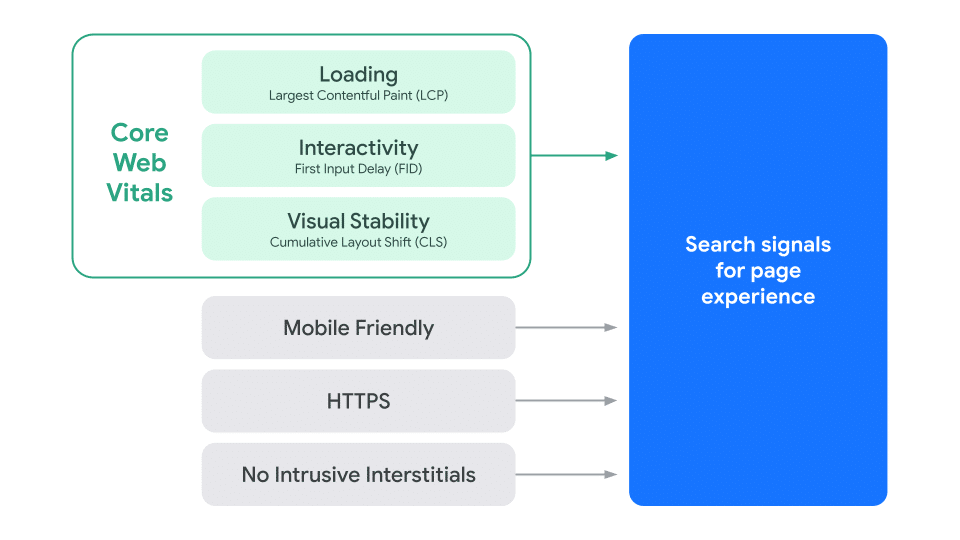
One of the clearest shifts in the December 2025 update was how much weight Google placed on technical SEO infrastructure. Site owners who’ve been treating technical health as a secondary concern are running out of runway. Google is leaning harder on Core Web Vitals and related technical signals as a direct measure of user experience — and those measurements now have a more visible impact on your ability to rank.
This rewards the businesses that already invested in a fast, stable, mobile-friendly foundation. Algorithm resilience isn’t just about content anymore. It’s tied to how well your site actually performs. For ambitious businesses, that means technical audits and ongoing maintenance aren’t optional line items. They’re core to any long-term SEO strategy that holds up when Google makes changes.
Google Search Central has been clear about this for a while now. A poor technical foundation undermines everything else you build on top of it — even great content.
| Core Web Vital | Description |
|---|---|
| Largest Contentful Paint (LCP) | Measures loading performance. To provide a good user experience, LCP should occur within 2.5 seconds. |
| First Input Delay (FID) | Measures interactivity. For a good user experience, pages should have an FID of 100 milliseconds or less. |
| Cumulative Layout Shift (CLS) | Measures visual stability. To ensure a good user experience, pages should maintain a CLS of 0.1 or less. |
Analyzing Search Ranking Volatility During the Update
The ranking volatility that followed the December 2025 core update wasn’t random. The fluctuations that SEO professionals tracked across search visibility trends tell a story about how Google is getting sharper at distinguishing genuinely useful content from content that just checks boxes. Businesses in every sector felt these ranking changes, and the movement was significant enough that ignoring it would be a mistake.
If you monitor your Search Console data through the update window, you get a clearer picture of where your site stands relative to competitors. That data is more useful than any third-party tool’s interpretation of what happened.
What the volatility reinforces is the value of a long-term SEO strategy over reactive, short-term fixes. Sites with real content depth and strong technical foundations tend to weather these updates — and sometimes gain ground during them. Sites leaning on outdated tactics or thin content usually don’t. The ups and downs are a reminder that good SEO is built over time through steady, intentional work. There’s no shortcut that survives multiple core updates.
Operational Strategies for Ambitious Leadership Teams
When a Google update hits and your rankings drop, the impulse is to do something immediately. Resist that. For businesses in markets like Doylestown and Newtown, you need to assess the organic traffic risk first and understand what it could mean for revenue before making moves. Panic-driven decisions rarely fix anything.
Give your in-house SEO team — or your agency partner — the space to actually diagnose what happened. Quick surface-level changes are not a strategy. The goal is alignment with Google’s best practices over time, not a frantic response to every algorithm shift. That’s what makes your SEO investment durable and protects your SEO ROI across multiple update cycles.
Working this way keeps you grounded while competitors chase the algorithm. The sections that follow get into the specifics of evaluating spend and responding to what’s actually happening with your pages.

Evaluating SEO Spend Amid Stressed Rankings
When a Google update lands and rankings take a hit, the natural question is whether your SEO investment is still working. That’s a fair question. But cutting budget reflexively — without understanding what actually changed — is the worst response. Now is when you need to look closely at your SEO ROI and figure out what the data is telling you. Search visibility trends fluctuate for specific, diagnosable reasons.
This is the moment to double down on what’s performing and pull resources away from what isn’t. A clear-eyed analysis will tell you whether the issue is content quality, a technical problem, a weak backlink profile, or something else. Make those decisions using data from Search Console and your analytics — not gut reactions to a rankings drop.
Here’s where to focus your energy:
Auditing Content: Identify which pages lost visibility. Compare them directly to the pages that moved up in search results. Look for the gap.
Technical Health Check: Use Search Console to surface technical issues. Prioritize Core Web Vitals fixes and resolve whatever GSC flags as problematic.
Long-Term Strategy: Redirect budget toward building helpful content that stands on its own merit. Align your content with Google’s guidelines so you’re better positioned for the next Google update, not just recovering from this one.
Responding to Core Update Impacts on Revenue-Generating Pages
When your highest-value pages lose organic traffic, the revenue impact is real and it’s immediate. Site owners need to figure out why Google is devaluing those specific pages. In most cases, it means the search engine has found content elsewhere that it considers more helpful, more complete, or more aligned with user intent.
Aggressive or shortcut-driven tactics won’t fix this. What works is a careful look at what’s actually happening on those pages. Evaluate the user experience. Check whether the content is current. Make sure the page fully answers the query someone typed into Google Search. The objective is to raise quality to a level where Google has a reason to rank you again — and where you keep the organic traffic that drives revenue.
Conduct a SERP Analysis: Look at who’s outranking you now. Study what they’re doing differently — content structure, depth, freshness, user experience.
Enhance and Update Content: Strengthen your pages with new information, sharper insights, and more useful detail. Don’t just add words. Add value.
Improve User Experience: Page speed, navigation, mobile usability, intrusive interstitials — all of it matters. If something on the page creates friction, fix it.
Why Stable Technical Infrastructure Outperforms Reactive Tactics
The businesses that come through core updates in the best shape are almost always the ones with a strong technical SEO infrastructure already in place. Reactive moves — rushing to build low-quality backlinks, making cosmetic content tweaks, reshuffling pages — rarely produce lasting results. A solid technical base is what allows your content and your authority to actually show up in rankings, because it removes the obstacles that would otherwise hold you back.
Search Engine Land and other industry sources have been consistent on this point: Google gives preference to sites that are fast, stable, and built for the people using them. If your technical SEO is sound, your helpful content and content depth have room to perform. If it’s not, even strong content gets dragged down by slow load times, crawl errors, or poor mobile experience. Proactive investment in your infrastructure should be a central part of any enterprise SEO strategy.
A stable technical foundation outperforms reactive tactics because it:
Builds Trust: A site that loads fast, stays secure, and maintains uptime earns trust from both users and search engines. That trust compounds over time.
Enhances Crawlability: Clean technical architecture makes it easier for Google to find, crawl, and index your content. If Google can’t access your pages efficiently, your rankings suffer regardless of content quality.
Prevents Penalties: Sound infrastructure protects you from issues like site reputation abuse and technical errors that can tank your visibility. Prevention is always cheaper than recovery.
Frequently Asked Questions
What steps should I take if my site was affected by the December 2025 core update?
Start with Search Console. Look at where drops happened, then audit content quality, user experience, and technical health for those pages. Compare your affected pages against the ones now outranking you. Identify the gaps and build a prioritized plan based on what the data actually shows — not assumptions.
How can I prepare my website for future Google core updates?
Build the foundation now instead of reacting later. Keep your technical SEO infrastructure solid, invest consistently in helpful content that serves your audience, and let quality backlinks develop naturally. Your long-term SEO strategy should align with what Google keeps rewarding: depth, relevance, and a strong user experience.
Is algorithm update analysis essential for understanding SEO impact in 2026?
Absolutely. For SEO professionals, studying each algorithm update is how you stay ahead instead of constantly catching up. Tracking ranking volatility analysis and search visibility trends gives you the information to adjust strategy, spot problems early, and make better decisions. It’s standard practice for anyone serious about protecting and growing organic visibility.