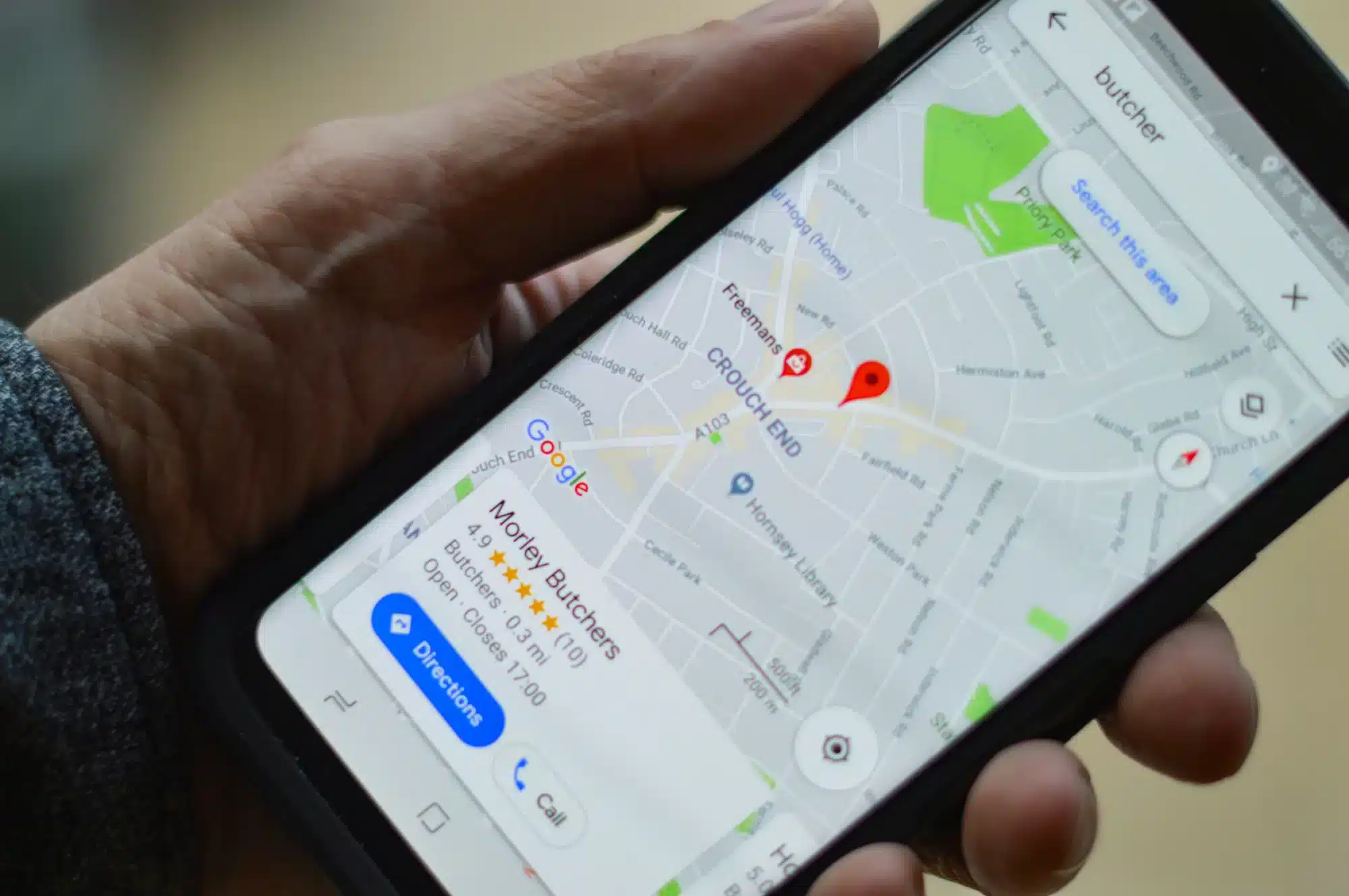
One of the clearest lessons I’ve learned building Mutewind Digital and working with small local businesses around Montgomery County, Pennsylvania is that Google is far less impressed by design than most people expect.
I’ve seen simple businesses with modest websites show up consistently on Google Maps and in local search, while better-looking sites struggle to get traction. The difference usually isn’t content or polish. It’s trust.
Google’s goal is to show people accurate information they can act on. A verified business with consistent contact details across the web gives Google far more confidence than a standalone website, no matter how refined it looks.
When your business name, physical address, phone number, and contact information match everywhere — your Google My Business Profile, your website, major directories, and even social media platforms — Google can clearly connect the dots. That clarity is what drives local ranking stability and helps potential customers find you when they’re ready to call or visit.
What a Google Business Profile Really Is (And Why It Matters)
A Google Business Profile isn’t just another marketing channel. It’s closer to an identity record tied to your Google account.
From Google’s perspective, this profile answers very basic questions:
- Is this business real?
- Does it operate at a legitimate business location or physical location?
- Do real people interact with it?
Because of that, the profile often becomes the primary source of truth for local search and Google Maps results. Before Google evaluates blog posts, Google Ads, or a broader digital marketing strategy, it looks at the basics: your business description, categories, operating hours, photos, Google reviews, and recent activity.
In practice, this means a complete and well-maintained GMB listing can carry more weight than a website on its own. I’ve worked with service businesses where improving the Google My Business Profile was the first step that led to more phone calls, without touching the website at all.
The profile doesn’t replace a website, but it anchors everything else. When it’s incomplete or outdated, search engine optimization becomes an uphill battle.
What Actually Moves the Needle in Google Business SEO
Local visibility is built from a collection of trust signals working together, not a single ranking trick.
It starts with accurate, consistent business information. Your name, physical address, phone number, opening hours, and website should match everywhere they appear. Even small discrepancies can weaken confidence, especially when they show up across multiple directories.
Photos matter more than most businesses expect. Real, regularly updated photos help Google confirm that a business is active. They also encourage engagement from local customers, which feeds into visibility on Google Maps.
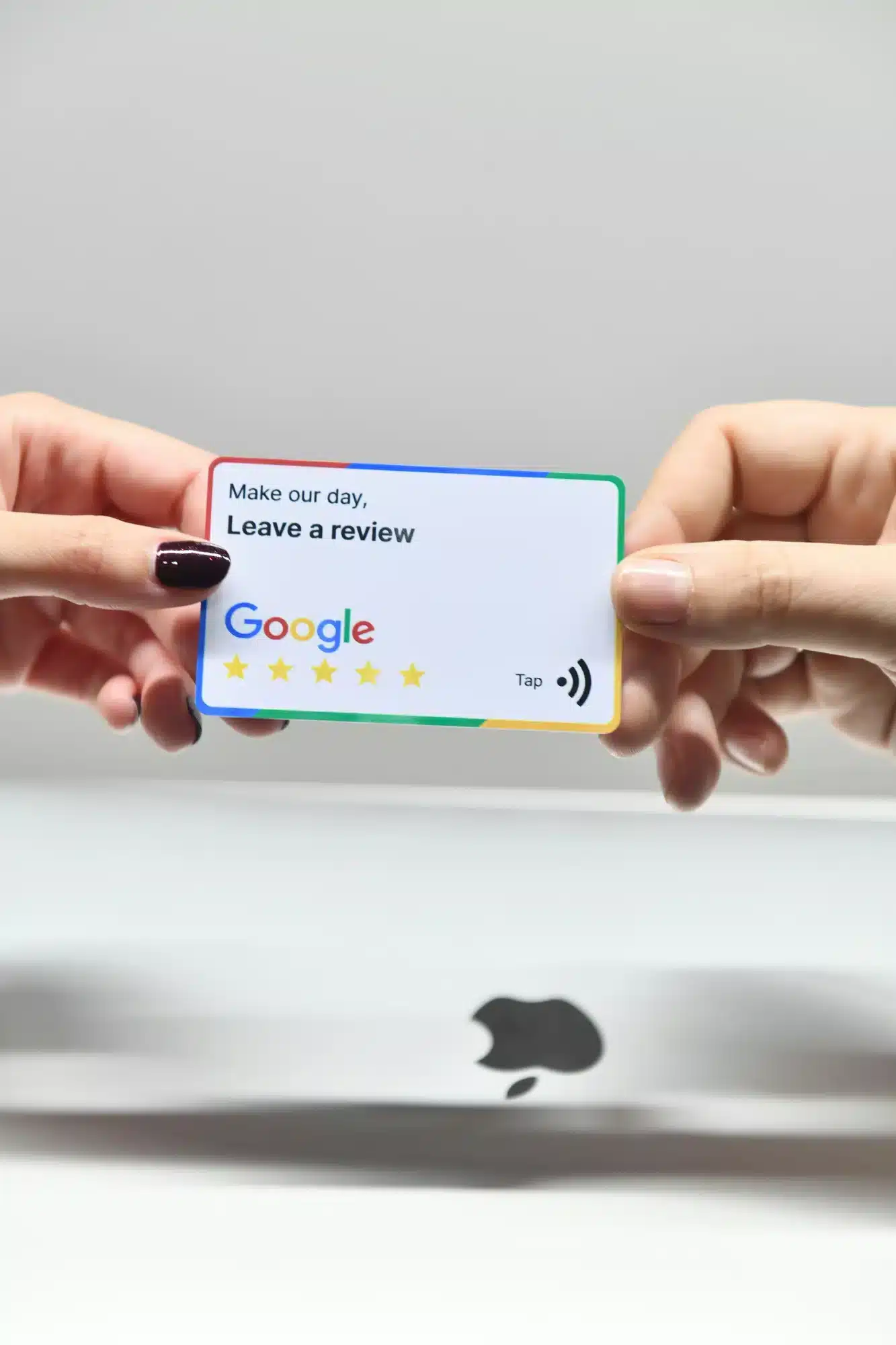
Online reviews are another core signal. Google looks at review volume, recency, and how businesses respond — especially to negative reviews. Thoughtful replies show accountability and reinforce trust, both for Google and for potential customers deciding who to contact.
Categories matter too. A clear primary category, supported by accurate secondary categories, helps Google understand what searches you should appear for. Add in relevant keywords naturally within your business description, and your profile becomes much easier for Google to place correctly.
Beyond the profile itself, supporting signals like directory consistency, “same as” links, and website schema all reinforce that Google is looking at one real business entity.
Together, these elements form the backbone of a sustainable local SEO strategy.
The Role of Proper Business Directories in SEO Google My Business
Your Google Business Profile doesn’t exist in isolation.
Google cross-references your information against other sources — industry directories, local chambers, review sites, and social media. This is where NAP consistency (name, address, phone number) becomes critical.
When your physical address, contact details, and operating hours align across platforms, Google gains confidence. When they don’t, visibility often drops quietly.
I’ve seen businesses of all sizes struggle in local search for months because of outdated listings or old phone numbers still floating around. Once those inconsistencies were corrected, local ranking and engagement improved without any additional optimization.
Directories aren’t exciting, but they still act as proof. For local SEO and search engine optimisation, that proof matters.

Website Schema: Speaking Google’s Language
A website’s role in local SEO is less about persuasion and more about clarity.
Schema markup allows you to define your business information in a structured way that search engines can understand without guessing. It helps explain what your business is, where it operates, what services you offer, and how it connects to your Google Business Profile.
Schema doesn’t directly boost rankings on its own, but it removes ambiguity. When paired with consistent listings, accurate information, and an active profile, it helps Google present your business correctly in search results.
This is also where “same as” links come into play, explicitly connecting your website, GMB listing, and social media platforms so Google sees a single, unified entity.

What Is Website Schema and How Does It Impact Ranking?
Website schema, often called schema markup, is structured data added to your website that helps search engines understand what your content actually represents. Instead of forcing Google to infer meaning from text alone, schema lets you clearly define key business details like your services, location, reviews, and operating hours.
For local businesses, this context matters. Schema helps connect your website to your Google Business Profile, directory listings, and other verified sources. While schema itself isn’t a direct ranking factor, it reduces confusion and supports stronger local visibility by making your information easier for Google to trust and display accurately.
When Google understands your site more clearly, it can enhance your search appearance with rich results, such as star ratings, business hours, or event details. These enhanced listings stand out in search results, often improving click-through rates and reinforcing credibility with potential customers.
Here are some of the most common schema types used for local businesses and what they communicate to Google:
| Schema Type | What It Helps Google Understand |
|---|---|
| LocalBusiness | Your official business name, physical address, contact details, operating hours, and confirmation that your business exists at a real location. |
| Service | The specific services you provide, how they’re described, and the areas or communities you serve. |
| Review | Your online reviews, including overall rating and review count, tied directly to your business entity. |
| Event | Information about upcoming events, promotions, or in-person activities, including dates, times, and business location. |
In short, schema doesn’t replace good local SEO practices, but it supports them. When combined with consistent listings, an active Google Business Profile, and accurate information across the web, schema helps create a clearer, more reliable picture of your business for search engines.
User Engagement Signals and Their Impact on Google Business SEO
Google pays close attention to how people interact with business listings.
Clicks, phone calls, direction requests, review activity, and photo views all help Google evaluate whether a business is useful and relevant to local customers.
Simple best practices go a long way here. Responding to Google reviews, keeping opening hours accurate, posting updates, and adding fresh photos all signal that the business is active and reliable.
Businesses that treat their profile as a living asset tend to outperform those that treat it as a one-time setup.
Common Mistakes to Avoid in SEO Google My Business Optimization
Most local SEO problems aren’t caused by one bad move. They’re caused by slow drift.
Inconsistent contact information is one of the most common issues. Slight variations in a physical address, outdated phone numbers, or mismatched operating hours can quietly erode trust.
Another frequent problem is inactivity. Profiles sit untouched, online reviews go unanswered, and photos no longer reflect the current business. To Google, that uncertainty matters.
Over-optimization also creates risk. Keyword-stuffed business names, inaccurate categories, or misleading service areas may work briefly, but often lead to visibility drops or suspensions later.
Even map pin placement can affect performance if it doesn’t accurately reflect the business location.

A Clearer Way to Think About Local Search
Local search engine optimization works best when it’s treated as trust-building, not a growth hack.
Google isn’t trying to reward the loudest or most aggressive strategy. It’s trying to show businesses it understands and feels confident recommending.
When your information is consistent, your Google My Business Profile is active, and your signals reinforce the same story across search, social media, and directories, local visibility becomes stable instead of unpredictable.
From what I’ve seen working with businesses around Hatfield and the surrounding area, clarity and consistency outperform clever tactics every time.
Once that foundation is in place, everything else — websites, Google Ads, content, and broader digital marketing strategy — has something solid to build on.
Frequently Asked Questions
How can small businesses use SEO for Google Business to compete locally?
A small business can use a strong Google Business Profile to show up in local search results. This often helps the business appear close to, or even above, bigger companies. When you add clear information, get positive reviews, and post regular updates, your local business stands out to people looking for what you offer. This makes your business seem both nearby and important to prospective customers, which can help you get better local search ranking in Google search results. Having a well-made business profile on Google is one of the best ways to reach people near you.
Does posting regular updates on my Google Business profile improve SEO performance?
Yes, posting regular updates is a great way to boost your SEO. When you add new photos or share news, it tells Google your business is active and important. The updates can help get people more interested in your business. This may lift how you show up in search results and make your online presence stronger.
Do I need a website if I already have a Google Business Profile?
Yes. A website still matters, but your Google Business Profile is often the first thing local customers see. The profile builds trust and visibility, while the website supports it with deeper information, services, and credibility.
Are there free tools to track my Google Business SEO progress?
Yes, the Google Business Profile has a free tool called “Insights” (some people call it “Performance”). This tool helps you see how customers find your business profile, what they do next, and more. If you are a business owner, you also can connect your Google Business Profile with Google Analytics. This helps you learn more about your online visibility and traffic.
What role do customer reviews and ratings play in establishing trust with Google?
Customer reviews matter a lot to Google when it comes to trust. If your business has a high number of reviews, and those are good reviews, it shows that your business is real and you give good service. Google looks at this when it checks your reputation. When you have more customer reviews and positive reviews, Google is likely to show your business to people who search for what you offer.